Charles Schulz
Are you looking for Highly-Collectible and certified artwork by the renowned cartoonist, Charles Schulz that are for sale?

Artist – Charles Schulz
LCharles Monroe ” Sparky ” Schulz was born on November 26 1928 in Minneapolis Minnesota, but he grew up in St. Paul. He was a beloved American cartoonist and writer who helped develop animations and television. His long-running comic strip Peanuts, which featured Charlie Brown and his dog Snoopy, became one of the most recognized and celebrated comic strips of all time.
Early Life and Education of Charles M. Schulz
Charles Schulz was the only child of Carl Schulz and Dena Halverson. Carl, who was of Germain descent, worked as a barber in St. Paul. Dena, his mother, grew up in a large Norwegian family.
Two days after Charles was born, his uncle called him “Sparky” after the horse Spark Plug in Billy DeBeck‘s comic strip, Barney Google. Poetically, this nickname was the beginning of a lifetime love of comic strips.
Throughout his youth, Charles Schulz had a father and son Sunday morning ritual reading the funny pages; Sparky was fascinated with strips like Skippy, Mickey Mouse, and Popeye. In his deepest desires, he always knew he wanted to be a cartoonist.
Schulz loved drawing and sometimes drew his family dog, Spike, who ate unusual things, such as pins and tacks. In 1937, Charles Schulz drew a picture of Spike and sent it to Ripley’s Believe It or Not! It was a proud moment for him when his drawing appeared in Robert Ripley’s syndicated panel, captioned, “A hunting dog that eats pins, tacks, and razor blades are owned by C. F. Schulz, St. Paul, Minn.” and “Drawn by ‘Sparky'” (C.F. was his father, Carl Fred Schulz).
As a boy, Schulz attended Richards Gordon Elementary School in Saint Paul, where he skipped two half-grades. Because he was one of the youngest in his class at Central High School, he became a shy, timid teenager. Despite his talent, Schulz experienced a lot of rejection and isolation. One such episode was the rejection of his drawings by his high school yearbook, which he referred to in Peanuts years later, when he had Lucy ask Charlie Brown to sign a picture he drew of a horse, only to then say it was a prank. Interestingly, there was a five-foot-tall statue of Snoopy placed in Central High School’s main office 60 years later.
Charles Schulz’s artistic training and professional life
Although Schulz’s life during high school left much to be desired, he continued honing the craft of the comic strip. With the encouragement of his mother, Schulz took his artistic studies to the next level when he completed a correspondence cartoon course with the Federal School of Applied Cartooning (now Art Instruction Schools).
Schulz continued to study and hone his craft and style from the late 1920s to the 1940s. During this time there was a great shift in the genre of comics. While the full-page formats of the 1920s and 30s reflected the Art Deco and highly-styled illustrations, like Dick Tracy and Little Nemo in Slumberland, things shifted toward a more minimalist post-war style in the late 1940s and 50s. That change led to a smaller strip size, more intellectual style, and dry humor, which Schulz expertly crafted into his Peanuts strip.
Two Events That Shifted Schulz’s Life and Comedic Direction
There were two monumental events that totally disrupted Charles Schulz’s internal peace and left him haunted for the rest of his life: the death of his mother and his entrance into the army. Schulz was incredibly close to his mother and her death at 50 years old from cervical cancer rocked him to the core. It was only days after that he boarded a train to begin his army career. The reality of war and the loss of his mother forever impacted his life.
In the fall of 1945, Schulz returned from war and moved in with his father, where they shared an apartment over Carl’s barbershop. Charles was determined to follow his dream to become a professional cartoonist. He was able to return to his alma mater, Art Instruction, as an employee; he reviewed and graded students’ work. In addition, Schulz sold intermittent one-panel cartoons to The Saturday Evening Post.
It was his weekly panel comic, Li’l Folks, which held a three-year run in the local St. Paul Pioneer Press, that really laid the foundation for the rest of his career. Those cartoons featured precocious children with large heads whose interactions, words, and actions were more like that of adults. It was in Li’l Folks that Schulz first introduced the character Charlie Brown.
Peanuts Comic Strip
After his one-panel, Li’l Folks cartoons gathered momentum, and the deal later fell through, Schulz began to experiment and created a new four-pane model, which he took to the United Feature Syndicate and was accepted. On October 2, 1950, Charles Schulz revealed the first-ever Peanuts cartoon across seven national newspapers. At 27 years old, his dreams began to come true with his seemingly simple, yet profoundly impactful, four-panel comic strip.
Although it was a slow start, the four-panel Peanuts comic strip had its first Sunday paper debut on January 6th, 1952. From there, the Peanuts strips became a worldwide phenomenon and the Peanuts characters remain some of the most beloved comedic icons of all time. Charlie Brown’s Peanut gang entertained audiences for almost 50 years.
The popularity of the comic strip Peanuts is due largely to the fact that Schulz could communicate with his readers in a unique way that no other comic strip writer was able to. He was able to observe and connect with his audience from a real, genuine, and thoughtful place.
Schulz Turned Charlie Brown and the Peanuts Gang into a Cultural Phenomena
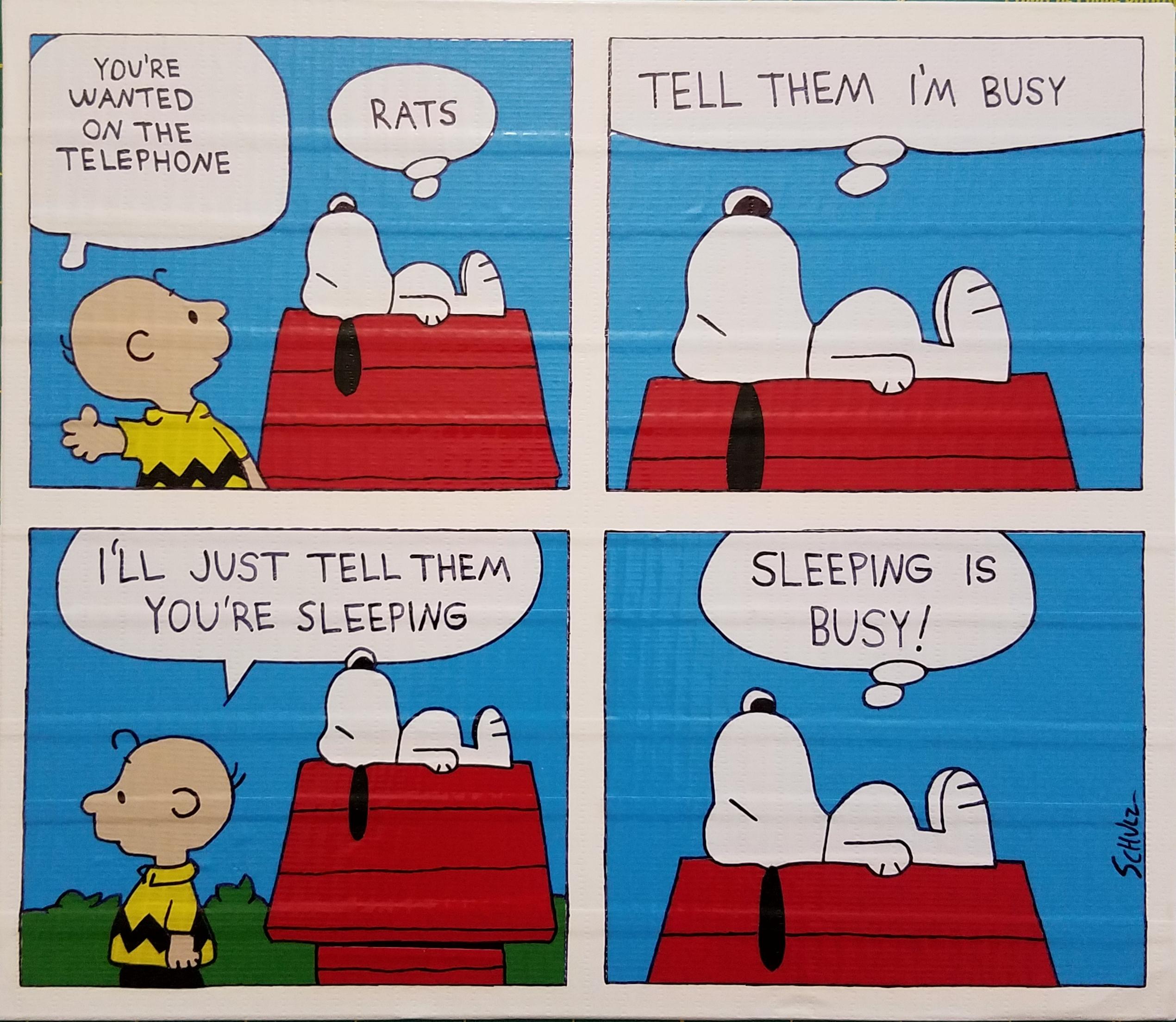
Instead of simply following along the common comedic narratives of his time, Schulz created a group of characters that helped readers feel seen, heard, and connected – without denying the challenges of personhood. Within the space of four panes, he skillfully addressed issues of bullying, feeling isolated, lost, and pensive with his incredible wit. He tackled issues that readers were facing in their own lives at the time.
Even after more than half a century, Schulz’s stories remain exciting. His great skill was to keep his known and familiar characters fresh enough to attract new readers and the same fans, while still attracting a new audience through his new works. His humor was observational, wry, sarcastic, bittersweet, whimsical, and bittersweet, sometimes with flights of fancy and suspension of reality thrown in.
Over the years, readers got to know the characters’ personalities: Charlie Brown’s heartache over the Little Red-Haired Girl, Linus’ security blanket attachment, Schroeder’s obsession with Beethoven, Peppermint Patty’s prowess in sports and failure in the classroom, and Lucy’s knowledge of … well … everything. Then, in the 1960s, when Snoopy began to shift from a four-legged pet to a two-legged, highly imaginative, and equal character in the strip, he grew in popularity. The change allowed Schulz to branch out and create new storylines that could go in all directions.
One of the favorite tv specials that turned into a classic tradition was the Charlie Brown Christmas story. A memorable and inviting experience that Schulz gifted the world with, complete with Charlie Brown and his “good grief,” Linus and his security blanket, ice skating, a toy piano, and more.
Accomplishments and Awards
When Schulz announced his retirement in December 1999, the Peanuts comic strip was syndicated in over 2,600 newspapers worldwide, with book collections translated in over 25 languages. Considered one of the greatest cartoonists of all time, Schulz was awarded the highest honors by his fellow cartoonists.
Schulz received Emmy Awards for his animated specials, has been recognized and lauded by the U.S. and foreign governments, had NASA spacecraft named after his characters, and inspired a concert performance at Carnegie Hall. And still today, the Peanuts Gang continues to entertain and inspire the young and the young at heart.
Personal Life
In April of 1951, Schulz married Joyce Halverson (no relation to Schulz’s mother Dena Halverson Schulz), and Schulz adopted Halverson’s daughter, Meredith, and moved to Colorado Springs, Colorado. Their son, Monte, was born in February 1952, and three more children were born later, in Minneapolis Minnesota, where they stayed for a few years.
In 1958 Schulz moved his family to Sebastopol, California, where he built his first studio. (Until then, he’d worked at home or in a small rented office room.) It was there that Schulz was interviewed for the unaired television documentary A Boy Named Charlie Brown. However, some of the footage was eventually used in a later documentary, Charlie Brown and Charles Schulz.
Schulz’s father died while visiting him in 1966, the same year Schulz’s Sebastopol studio burned down. By 1969, Schulz had moved to Santa Rosa, California, where he lived and worked until his death.
Having a huge love of ice sports, especially figure skating and ice hockey (which he often alluded to in his comics), he opened the Redwood Empire Ice Arena. The arena featured a snack bar called The Warm Puppy.
Schulz was married in 1973 to Jean Forsyth Clyde, whom he met when she brought her daughter to his ice rink. They were married for 27 years until Schulz died in 2000.
-

Ice is Nice
$250.00 UAdd to cart -
Be Mine!
$250.00 UAdd to cart -
A Toast To Chef Snoopy
$250.00 UAdd to cart -
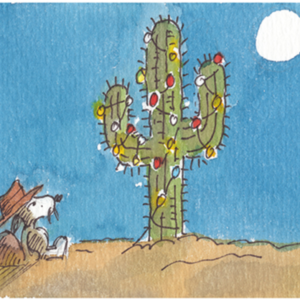
Holiday on Needles
$250.00 UAdd to cart -
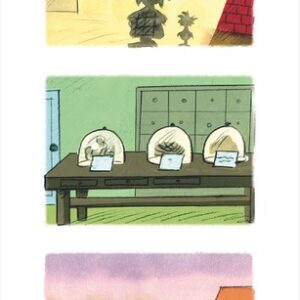
Who Dunnit? (with Snoopy)
$250.00 UAdd to cart -

Bone Appetite!
$300.00 UAdd to cart -
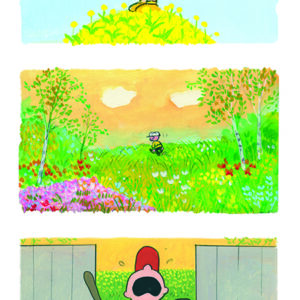
Triple Play
$375.00 UAdd to cart -
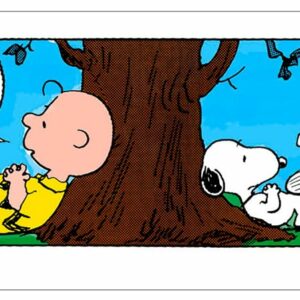
Invention of Cookies
$395.00 UAdd to cart -

Take A Moment (Snoopy)
$395.00 UAdd to cart -

Stars (Snoopy)
$495.00 UAdd to cart -

Reach for the Stars (Snoopy)
$395.00 UAdd to cart -

On Top of the World (Snoopy)
$395.00 UAdd to cart