


Seventy years ago, on January 3, 1953, “Don’t Give Up the Sheep,” directed by the legendary Chuck Jones and written by Michael Maltese, marked the debut of the iconic duo Ralph Wolf and Sam Sheepdog. This animated short served as the prototype for six subsequent shorts featuring these two iconic characters.
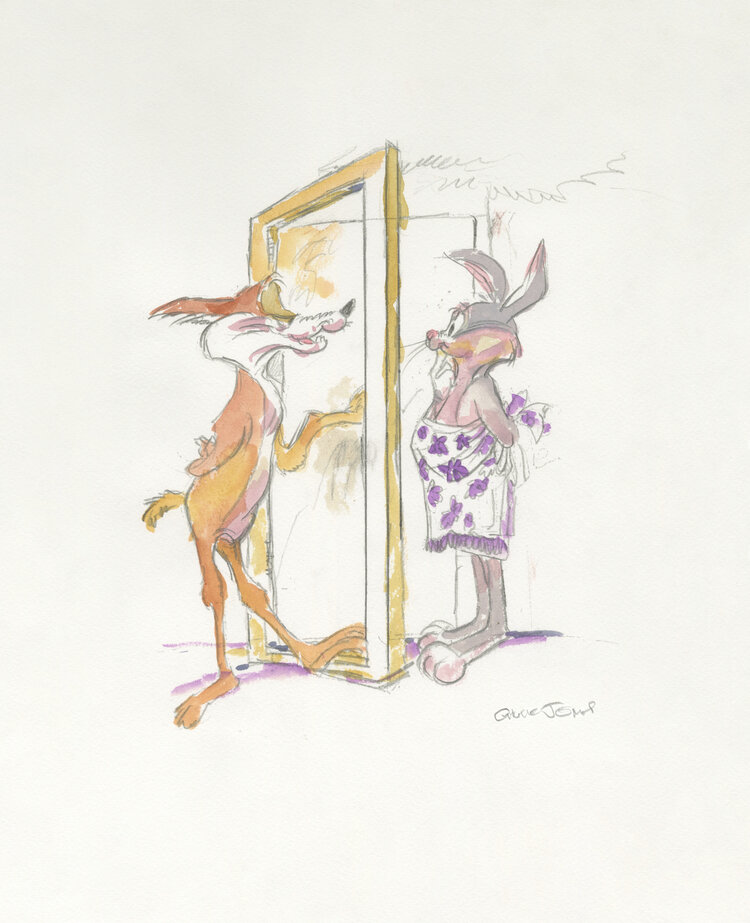
Ralph Wolf, a notable storyman at Warner Bros. Cartoons, left an indelible mark on the animated world by lending his name to the red-nosed iteration of Wile E. Coyote. This distinctive variation added a visual hallmark to the character, setting it apart from the original design.

Interestingly, Sam Sheepdog is referred to as Ralph in this inaugural installment, while Ralph Wolf remains unnamed. The characters later adopted their consistent names as Sam and Ralph in the aptly titled “Double or Mutton.”
“Don’t Give Up the Sheep” is a testament to Chuck Jones’s mastery of visual comedy. By orchestrating the animated rivalry between Ralph Wolf and Sam Sheepdog, Jones embarked on an artistic exploration, seeking to test a narrative dynamic in stark contrast to the chase-centric essence of the Coyote-Road Runner cartoons.
By flipping the conventional pursuit narrative, the juxtaposition of Ralph Wolf and Sam Sheepdog not only showcased Jones’s creative versatility but also provided audiences with a fresh and engaging perspective on the timeless theme of animated conflict.
The narrative centers on Ralph Wolf’s persistent efforts to outsmart and pilfer sheep guarded by Sam Sheepdog. Sam’s daytime role involves safeguarding sheep, while Ralph’s occupation is sheep-stealing. Yet, despite their professional adversarial dynamic, they share a friendly lunch break when the noon whistle sounds, and they both head home at nightfall.

Unlike later shorts, the characters don’t collaborate, laying the groundwork for their evolving relationship and ensuing comedic brilliance in subsequent installments.
Mel Blanc, the legendary voice behind countless Looney Tunes characters, brought these two cartoon characters to life, infusing the timeless antics with an extra layer of humor through his iconic vocal talents.
And, in typical Chuck Jones fashion, music assumes a pivotal role. Noteworthy additions to the musical repertoire include Gioachino Rossini’s ‘William Tell Overture,’ and Felix Mendelssohn’s ‘Spring Song,’ with the latter showcased as Ralph Wolf skillfully plays it on a flute while disguised as Pan.
Embedded in animation history, the enduring charm of “Don’t Give Up the Sheep” rests upon its clever writing, inventive visual gags, and the distinctive dynamic between its characters.
Commemorating its 70th anniversary, fans and animation enthusiasts are reminded of the enduring influence wielded by Chuck Jones, Michael Maltese, the voice mastery of Mel Blanc, and the timeless humor that continues to resonate in shaping the world of animation.


0 Comments