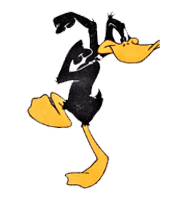
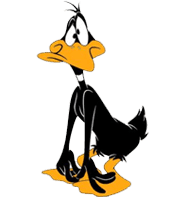
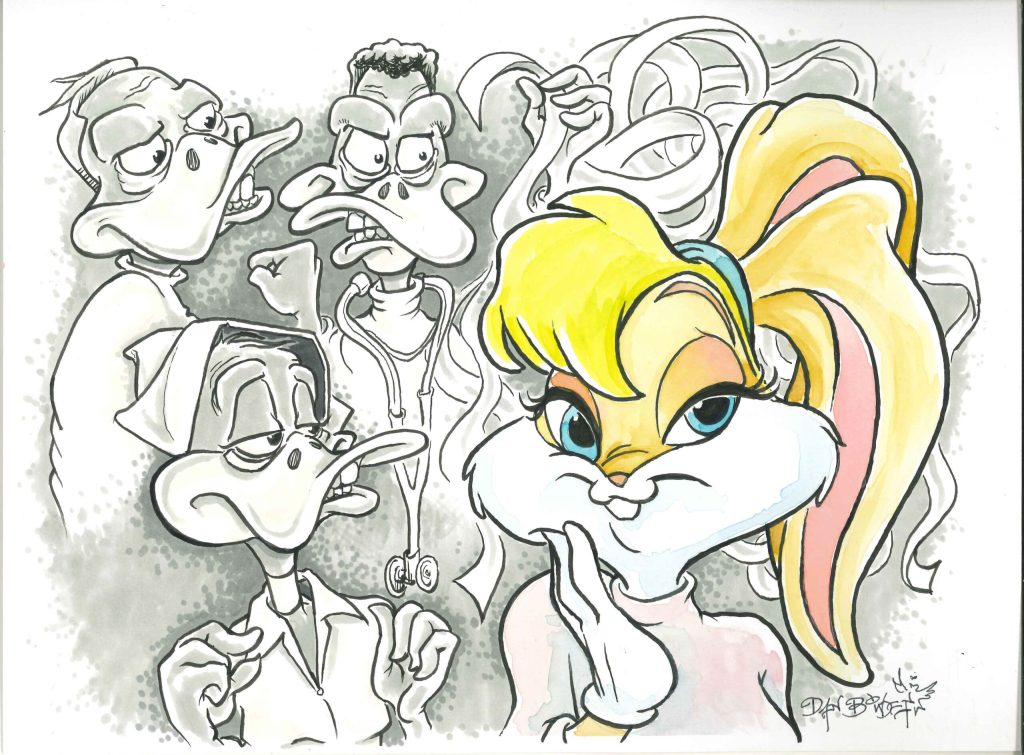
"Pronoun trouble."
(Rabbit Seasoning, 1952)
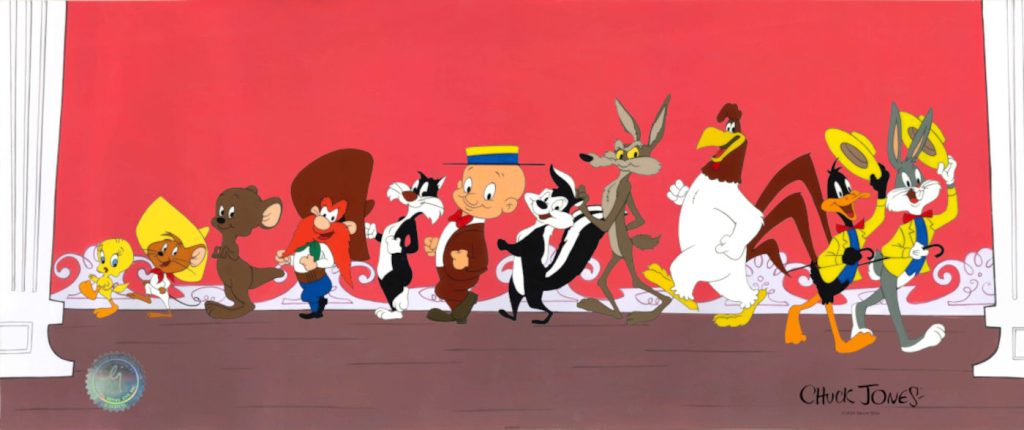
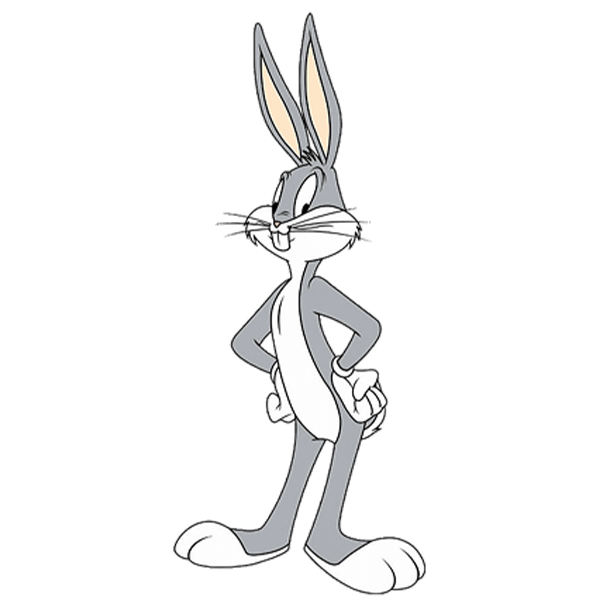
Daffy Duck began as Warner Bros.’ wildest screwball and became, in Chuck Jones’s hands, its most human failure. Jones’s Daffy wants the spotlight, the treasure and the last word, and he is willing to sell out anyone, including himself, to get them. Every scheme backfires. Bugs Bunny wins with calm; Daffy loses with conviction. That contrast powers some of the funniest cartoons Jones ever made, and it is why audiences recognize themselves in the duck more than in the rabbit.
| Also known as: | Duck Dodgers · Robin Hood Daffy · Drip-Along Daffy |
|---|---|
| Species: | Duck |
| First appearance: | Porky's Duck Hunt (released April 17, 1937) |
| Created by: | Tex Avery (director), with animator Bob Clampett; later developed by Clampett, Frank Tashlin, Friz Freleng, Robert McKimson and Chuck Jones |
| Original voice: | Mel Blanc (1937 to 1989) |
| Signature lines: |
|
| Frequent co-stars: | Bugs Bunny, Elmer Fudd, Porky Pig, Marvin the Martian |
Daffy first appeared in Tex Avery’s Porky’s Duck Hunt (1937) as an unhinged duck who bounced across the screen whooping. He arrived a year before the rabbit prototype that became Bugs, and for years he was a pure agent of chaos. Robert McKimson later rounded out his design, and the studio’s directors took him in different directions.
In the early 1950s Jones rebuilt him. Starting with the hunting trilogy, Rabbit Fire (1951), Rabbit Seasoning (1952) and Duck! Rabbit, Duck! (1953), Daffy became Bugs’s jealous rival: vain, greedy and determined to see the rabbit shot instead of himself. Film critic Steve Schneider described Jones’s Daffy as “a kind of unleashed id”.
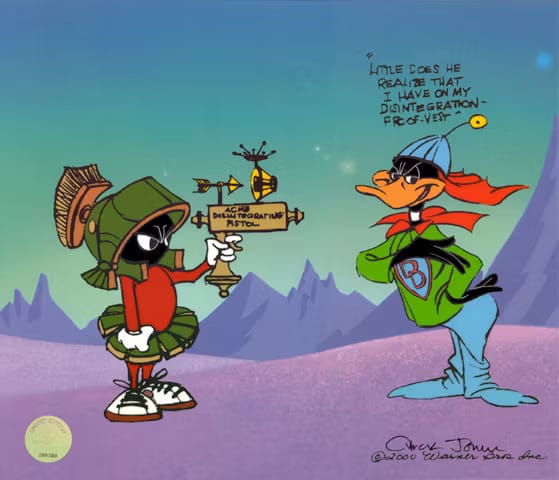
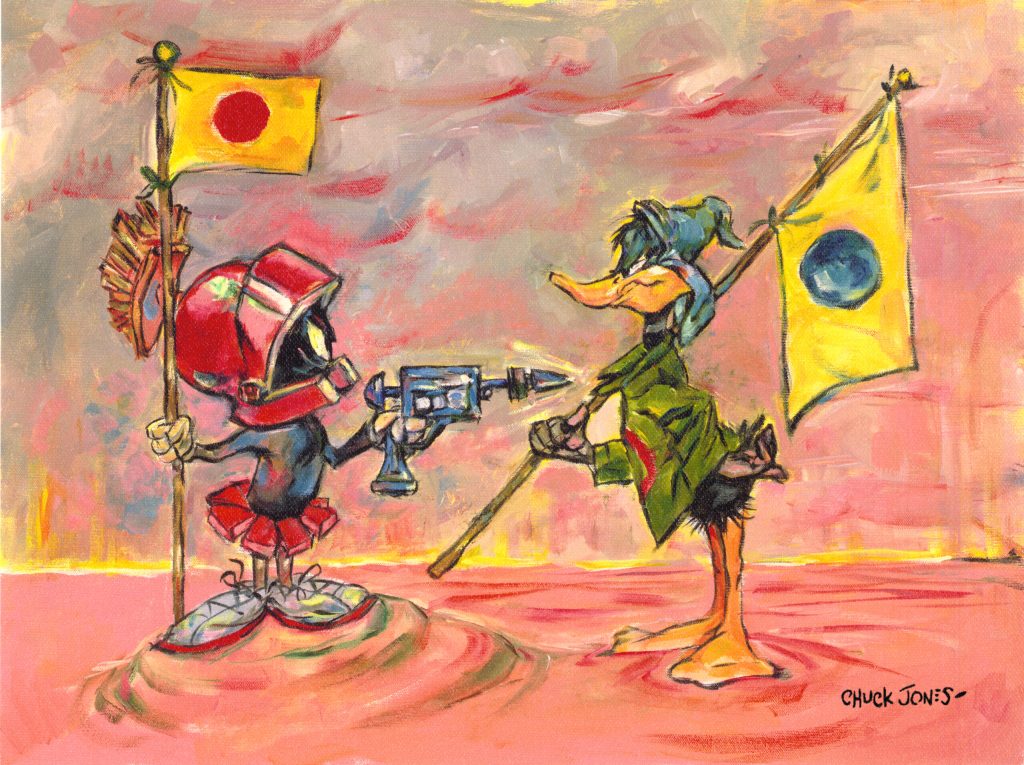
Jones’s Daffy is a self-preservationist with delusions of grandeur. He grabs for fame in Duck Dodgers, for gold in Ali Baba Bunny and for the lead role in every cartoon, and the universe corrects him each time. Jones said the duck says and does the things most people are afraid to.
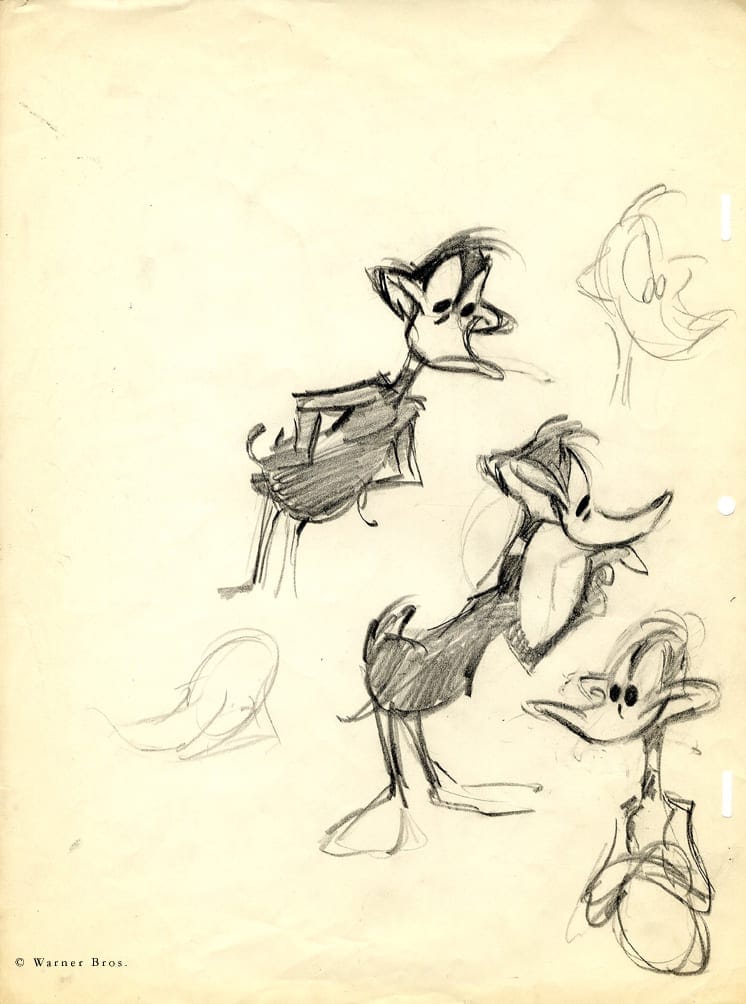
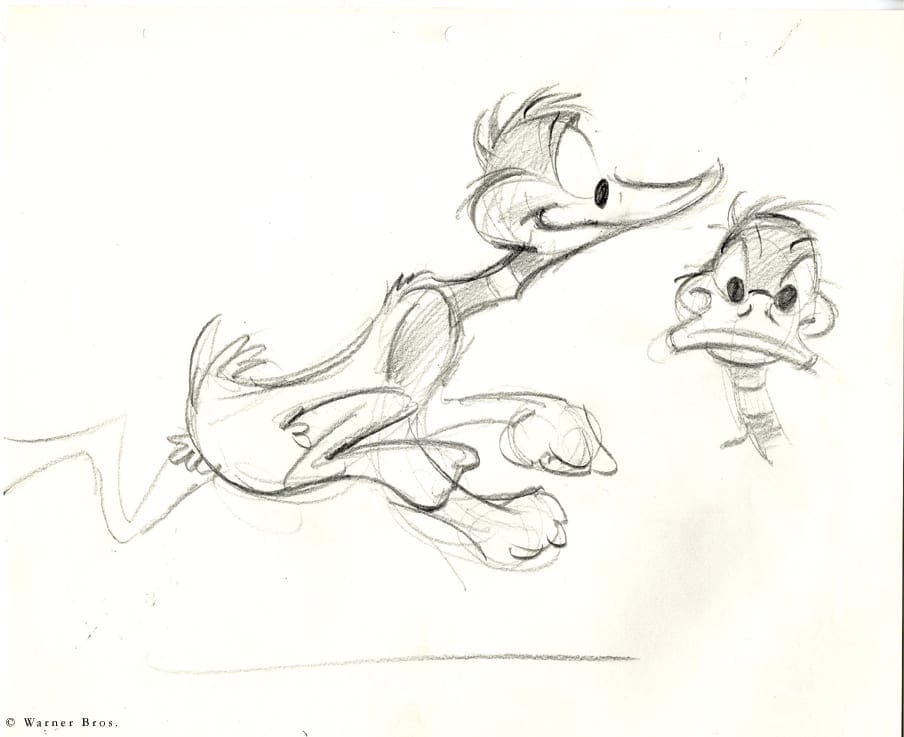
In his notes, Jones describes drawing Daffy from the feet up, starting with feet shaped like swim fins. Daffy wears no gloves, his feathers break only where the body bends, and his lower bill works like a hinged jaw, which lets the beak twist across his face when he sputters.
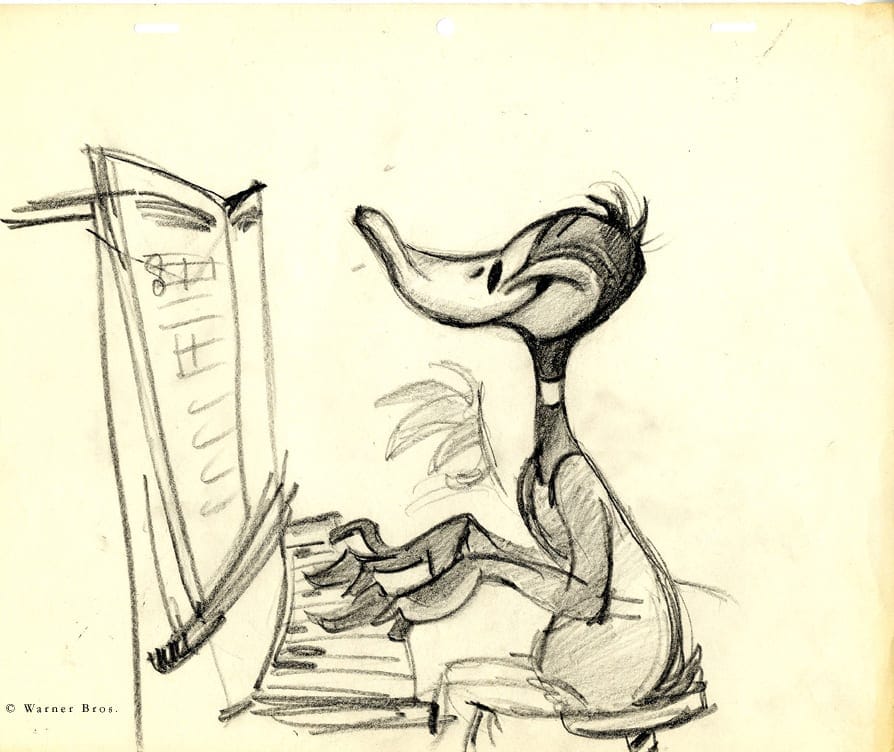
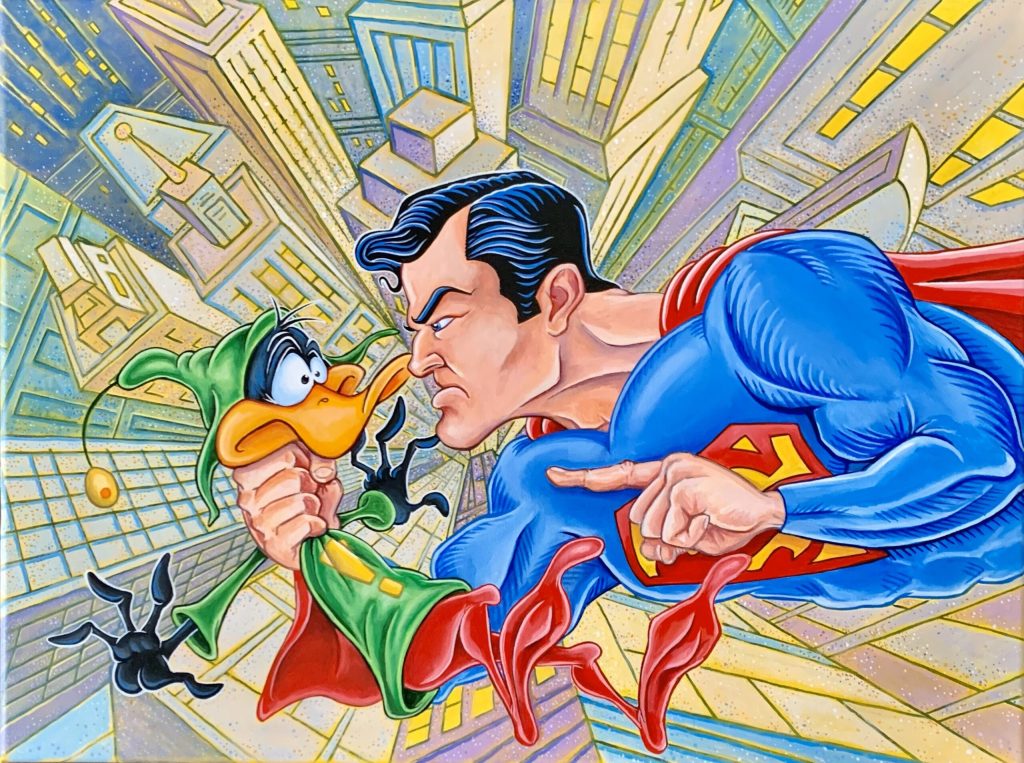
Duck Amuck is widely studied as a short about animation itself, and was added to the National Film Registry in 1999. Daffy’s later career includes a piano duel with Disney’s Donald Duck in Who Framed Roger Rabbit (1988), his 50th-anniversary short The Duxorcist (1987), starring roles in Space Jam (1996) and Looney Tunes: Back in Action (2003), and the Duck Dodgers television series (2003). Jones returned to him late in his career in Superior Duck (1996).
To draw Daffy, get out your old swim fins, draw them, and hang a duck on the drawing. When necessary, he can look like a human being, but I like him to be bird-like. I might draw tiny breaks where the feathers show at his shoulders and elbows, but the breaks are less noticeable than on the Coyote, as feathers cling more tightly to the body than fur.
This detail is not strictly necessary; I break Daffy’s feathers because I want to and because it gives character to the animal. Also, unlike so many animated characters, Daffy doesn’t wear gloves. His hands have a thumb like a human thumb and pointy fingers that are a cross between human fingers and a bunch of feathers. In a human head, the upper teeth are anchored to the skull (until the dentist has his way with them), while the lower jaw–complete with teeth– can move independently.
Daffy’s upper bill, like that of the Road Runner or any other bird, is in effect his upper jaw, built right onto the skull and an immovable part of the structure. His lower bill is hinged to the skull and can move freely up and down.

– Chuck Jones
Every piece in our Daffy Duck collection is certified by the Chuck Jones family. Browse originals, limited editions and prints below, or contact our art consultants with any questions.